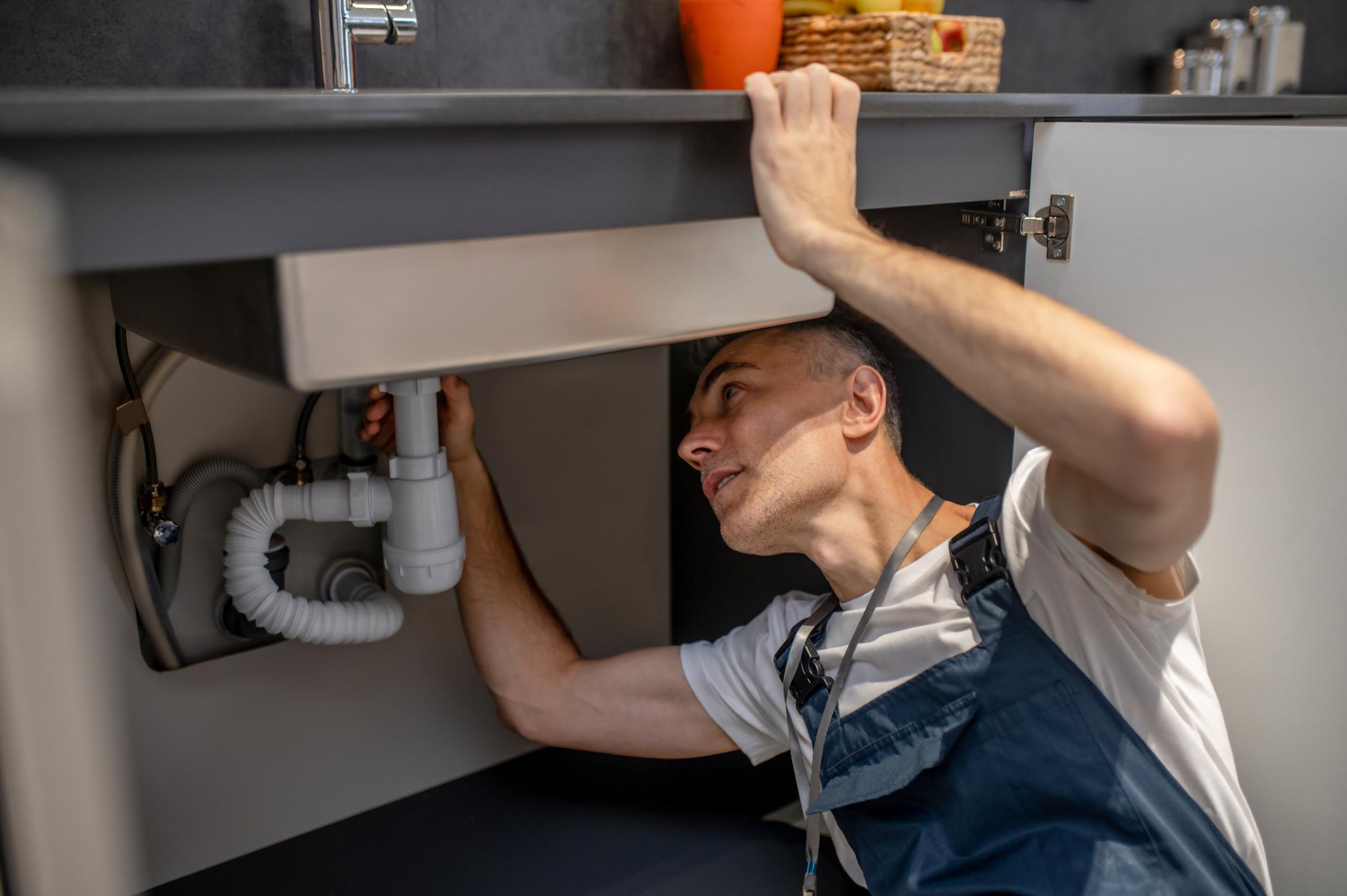
How to Find a Hidden Water Leak in Your Puyallup Home
Professional non-invasive leak detection helps Puyallup and Tacoma homeowners find hidden plumbing leaks quickly, often in a single visit, using acoustic, thermal, and pressure-based tools. It limits damage to walls and floors, reduces repair costs, and helps prevent mold, structural issues, and high water bills that come from leaks left undetected.
How Can You Quickly Spot a Hidden Water Leak at Home?
In many South Sound homes, the first sign is an unexplained spike in the water bill, a musty odor in one room, or a warm or damp area on a floor. The EPA WaterSense program estimates that household leaks nationwide waste nearly 10,000 gallons of water per home each year, which is money literally going down the drain.
Think of a single-story rambler in Puyallup where the bill suddenly jumps, one bedroom smells musty, and there is a warm patch on the hallway floor over a concrete slab. A licensed plumber would start with a meter test, then use acoustic and thermal tools to confirm a hot water line leak under the slab. In many cases, leaks can be located and repaired the same day, especially with 24/7 emergency support for active leaks.
What Are the Signs of a Hidden Water Leak in a Puyallup Home?
Early warning signs that something is off include:
Unexplained increase in your water bill over several cycles
Sounds of water running when all fixtures are off
A well pump that cycles even when nobody is using water
Musty or earthy smells in specific rooms, closets, or under sinks
Visually, South Sound homes often show leak damage as discolored or bubbling paint, soft drywall, swollen cabinet bottoms, or warped baseboards. Cupped or buckling hardwood floors, especially along exterior walls or near bathrooms and kitchens, are another common red flag in Puyallup, Tacoma, and Lakewood. Warm or damp spots on tile or laminate floors over concrete slabs can signal a hot water slab leak.
Foundation cracks, damp crawl spaces, and standing water around piers or footings may point to plumbing leaks combining with poor drainage. Inside, constantly running toilets, dripping faucets, or hissing sounds behind walls are clues that pressurized water is escaping. Look for corrosion or mineral buildup on visible pipes and shutoff valves, and check around water heaters, washing machines, and dishwashers for puddles or rust streaks.
HomeAdvisor notes that typical water damage repair projects often cost several thousand dollars once flooring, drywall, and possible mold remediation are included, which is usually far more than the original plumbing repair. The Insurance Information Institute reports that water damage and freezing account for about 24% of all homeowners insurance claims nationwide, underscoring the importance of catching small leaks early.
What Types of Hidden Leaks Are Most Common in South Sound Homes?
Many older Puyallup and Tacoma homes still have galvanized or aging copper pipes. Over time, corrosion leads to pinhole leaks that may drip for months inside walls before staining appears. Past DIY repairs, mixed materials, and push-fit fittings also create weak points where leaks can form under pressure or after a cold snap.
Slab and under-floor leaks are common in single-story houses with concrete foundations in places like Lakewood and Graham. Signs include:
Hot spots or damp areas on the floor
The sound of water running with fixtures off
Rapid water meter movement even when no water is used
Some slab leaks can be repaired with spot fixes or reroutes, but locating them can occasionally require limited opening of concrete, even after non-invasive testing.
Other frequent leak sources include slow leaks behind showers and tubs where failed caulking or grout lets water get behind tile. Under sink supply hoses, refrigerator lines, and icemaker connections can drip silently into cabinets. Outside, leaking hose bibs, irrigation lines, and buried service lines are common in the South Sound, especially where tree roots press on pipes. The Insurance Institute for Business & Home Safety reports that water damage is one of the most frequent home insurance claims, which is a strong reason to treat small leaks as urgent.
How Does Pacific Northwest Rainfall Complicate Leak Detection?
In Puyallup, Tacoma, and Lakewood, frequent rain and high groundwater levels can make exterior water intrusion look just like a plumbing leak. Roof, window, siding, or flashing issues can send rainwater down inside walls, puddling at the base and staining drywall. If wet areas only appear after storms, especially beneath windows or on upper floors, weather exposure may be the source.
High humidity and cool indoor surfaces also mean condensation on pipes, ducts, and windows is common. That moisture can be mistaken for a plumbing failure, or it can hide a minor leak by keeping areas damp all the time. The EPA notes that moisture problems significantly increase the likelihood of mold growth in homes, and in a climate like Western Washington, surfaces can stay damp long enough for mold to develop more quickly than in many drier regions.
Professional diagnosis helps separate rain intrusion from plumbing issues. A trained plumber will look at timing, weather patterns, and building envelope clues to distinguish rainwater from pipe leaks. Moisture mapping, isolation tests, and pressure checks help confirm whether the water is coming from inside the pipes or outside the structure, reducing the risk of opening the wrong wall or leaving an active plumbing leak undiagnosed.
How Does Professional Non-Invasive Leak Detection Work?
Non-invasive leak detection starts with questions and a thorough walkthrough. The plumber will ask when you first noticed the problem, what you hear, and how the home is built. Then they run a water meter test by shutting off all water fixtures and watching the meter for movement. In homes on private wells around the South Sound, they observe pump cycling patterns instead.
From there, modern tools narrow down the leak:
Acoustic listening devices to hear pressurized water escaping in walls, ceilings, and underground lines
Thermal imaging cameras to spot temperature changes from hot water leaks under floors or behind finishes
Pressure testing and isolation to separate hot and cold lines or narrow the problem to specific branches
Compared to the old trial-and-error method of cutting random inspection holes, this targeted approach limits damage and speeds diagnosis. Because Legacy Plumbing Services focuses only on residential plumbing in Puyallup, Tacoma, Lakewood, and surrounding communities, its team sees the same home styles and issues daily, which sharpens pattern recognition.
How Much Does Leak Detection Cost in Puyallup and Tacoma, WA?
Angi and HomeAdvisor list national averages for professional leak detection in a moderate price band, typically ranging from a couple of hundred dollars up into the mid hundreds depending on complexity, with local costs varying based on home size, access, and the number of problem areas. In Western Washington, slab foundations, older plumbing, or multiple suspected leaks can increase the time and tools required, which affects the final cost. There is usually a difference between a basic diagnostic visit and a more involved session that requires full acoustic and thermal workups.
Most homeowners can expect a leak detection visit to include:
Interview and walkthrough
Meter or pump cycling test
Visual inspection of suspect areas
Targeted use of acoustic or thermal tools as needed
Some plumbers apply part of the diagnostic fee toward the repair, but policies differ, so it is worth clarifying upfront. The U.S. Department of Energy estimates that a single faucet leaking at one drip per second can waste over 3,000 gallons of water per year, which adds up quickly on your bill. In Puyallup and Lakewood, secondary damage like wet crawl spaces, insulation damage, and subfloor rot often costs much more than the initial leak repair, so waiting rarely pays off.
When comparing companies, it is reasonable to expect clear, upfront pricing and a free estimate for repairs once the leak is located. Written estimates with options help you decide what fits your budget and timeline.
What Happens After a Hidden Leak Is Found and How Is It Repaired?
Once a suspected leak is located, the plumber marks and documents it, often taking photos or thermal images. Where possible, they confirm the diagnosis with a second test or by isolating that section of pipe. In some older Tacoma homes, it is common to uncover more than one small leak in the same branch, which can change the repair plan.
Common repair options include:
Opening a small section of wall or ceiling to replace damaged pipe or fittings, then restoring water service
For slab or under-floor leaks, choosing between spot repair, rerouting lines overhead or through walls, or in rare cases opening the slab
Replacing leaking supply lines, shutoff valves, or fixture components for toilets, faucets, and appliances
During repairs, a good residential specialist will shut water off for as short a time as safely possible, protect flooring and belongings, and treat your home like their own. Afterward, they pressure test the system and recheck the meter to confirm the leak is resolved. For larger issues or repipe recommendations, homeowners should expect a clear written estimate and options, not pressure.
What Can Leak Detection Not Always Tell You Right Away?
Under slab leaks and deeply buried lines can be difficult to pinpoint within a few inches, even with good equipment. In some soils around Puyallup and Tacoma, sound does not travel evenly, and background noise or pipe depth limits accuracy. In those cases, the plumber may identify a zone rather than a precise spot until a small area of concrete is opened.
Very slow or intermittent leaks can also be challenging. Tiny pinholes that only weep under certain conditions may not create enough sound or temperature difference for tools to pick up reliably in one visit. Condensation and minor seepage can blur the picture in a moist climate like Western Washington. When evidence is strong but tests are inconclusive, a small, carefully chosen test opening in a wall, ceiling, or floor is sometimes the honest next step.
How Can Puyallup Homeowners Prevent Hidden Water Leaks?
Prevention starts with simple, regular checks. In Puyallup, Tacoma, and Lakewood, it helps to do seasonal walkthroughs under sinks, around toilets, in crawl spaces, and near the water heater, especially after heavy rains or cold snaps that can stress pipes in older homes. Exercising main and individual shutoff valves once or twice a year keeps them usable for emergencies, and occasional meter checks can confirm there are no silent leaks.
Upgrades that reduce risk include:
Replacing old rubber or plastic appliance hoses with braided stainless lines
Updating aging galvanized or patchwork plumbing with modern materials
Adding drip pans and leak alarms under water heaters and washing machines
You should call a professional promptly for persistent musty smells, repeated drywall bubbles, unexplained running water sounds, or any new warm or damp floor area. Same-day and 24/7 emergency plumbing is not just for burst pipes; it is also appropriate for active leaks that are starting to damage finishes. Using a licensed, bonded, and insured residential specialist helps protect both your home and your insurance position, and you should expect upfront pricing and a free estimate for repair options.
Why Choose a Residential Leak Detection Specialist in the South Sound?
Puyallup, Tacoma, Lakewood, and nearby communities have a mix of older housing stock, frequent heavy rain, and occasional hard freezes that create unique plumbing challenges. A residential-only plumbing company sees those patterns daily, from slab leaks under ramblers to pinhole leaks in galvanized lines in crawl spaces.
Legacy Plumbing Services focuses on homes rather than large commercial work, bringing local experience to hidden leak problems across the South Sound. The team emphasizes non-invasive methods, same-day service when possible, and 24/7 emergency support for urgent leaks, always aiming to treat your home like their own.
To schedule an inspection or request a free estimate, visit the Legacy Plumbing Services contact page and share what you are seeing, hearing, and smelling around your home.
FAQs About Leak Detection in Puyallup and Tacoma Homes
How Do I Know If I Have a Hidden Water Leak in My Puyallup Home?
Common signs include a higher than normal water bill, musty or earthy odors in one room, stains or bubbles on walls or ceilings, and the sound of running water when everything is off. In many Puyallup homes, a quick meter test is an easy way to confirm if water is escaping somewhere.
How Much Does Leak Detection Cost in Puyallup, WA?
Leak detection pricing locally usually falls within the same general range as national Angi and HomeAdvisor averages, but the exact cost depends on home size, access, and leak complexity. Slab foundations or multiple suspected leaks can require more time and tools. You should expect clear, upfront pricing for the diagnostic visit and a free estimate for any recommended repairs.
Can a Plumber Find a Leak Without Cutting Into Walls?
In many cases, yes. Acoustic listening devices, thermal imaging cameras, and targeted pressure tests often allow plumbers to zero in on leaks behind walls, ceilings, or under floors without opening them first. Small access openings are still sometimes needed to confirm and repair, but modern tools greatly reduce guesswork.
What Causes Hidden Water Leaks in South Sound Homes?
Aging galvanized or copper piping, corrosion, high water pressure, and past DIY or patchwork repairs are frequent causes. Cold snaps can stress pipes in crawl spaces and exterior walls, even in Western Washington. Tree root intrusion and shifting soils also contribute to underground and service line leaks in Tacoma, Lakewood, and nearby communities.
How Long Does Leak Detection Take?
Simple leaks with obvious symptoms can sometimes be found in under an hour. More complex issues, such as suspected slab leaks or multiple problem areas, can take several hours for thorough testing. During that time, the plumber may need short periods with water off while they run pressure or isolation tests.
Can a Water Leak Cause Mold in a Tacoma Home?
Yes, especially in the damp Pacific Northwest climate. The EPA notes that mold can begin to grow on wet surfaces within 24 to 48 hours when moisture is not controlled. In Tacoma homes where humidity is already high, even a small, continuous leak can create a mold-friendly environment behind walls or under flooring.
What Is a Slab Leak, and How Is It Detected?
A slab leak is a leak in the water lines that run under or through a concrete foundation. Signs include warm or damp floors, sounds of water when fixtures are off, or unexplained high water use. Plumbers typically use acoustic tools, thermal imaging, and pressure testing to narrow down the location before discussing repair options.
How Do I Shut Off Water to My Home in an Emergency in Puyallup?
Most homes have a main shutoff valve where the water line enters the house, often near the water heater, in a utility room, or in a crawl space. Turning that valve clockwise will usually stop water flow to the whole home. It is wise to locate and test this valve during calm times so you are ready for a real emergency.
How Much Does It Cost to Repair a Hidden Water Leak in Pierce County?
Repair costs vary widely based on where the leak is, how easily it can be accessed, and whether there is related damage to finishes or structure. A simple accessible repair will cost much less than a slab leak reroute or a wall that needs major reconstruction. The best approach is to get a detailed written estimate once the leak is located, with clear, upfront pricing before work begins.
How Do I Schedule Leak Detection with Legacy Plumbing Services?
You can visit the Legacy Plumbing Services contact page to arrange a visit, including same-day or 24/7 emergency support for active leaks. Having a brief history of your water bills, notes on what you have seen or heard, and any access details ready will help the appointment go smoothly. Legacy Plumbing Services provides residential plumbing expertise across the South Sound and uses non-invasive methods that treat your home like their own.
Protect Your Home With Expert Leak Detection Today
If you suspect a hidden leak, now is the time to act before it leads to costly water damage. Our experienced team at Legacy Plumbing Services provides precise leak detection so we can quickly find the source and fix it right. Reach out today to schedule an inspection and get clear answers about what is happening in your plumbing system. If you are ready to talk with a professional, you can contact us for prompt, reliable help.
